

Dark Web Pets List
For curious internet users, this guide reveals dark web pet marketplaces and essential tips for safe exploration.
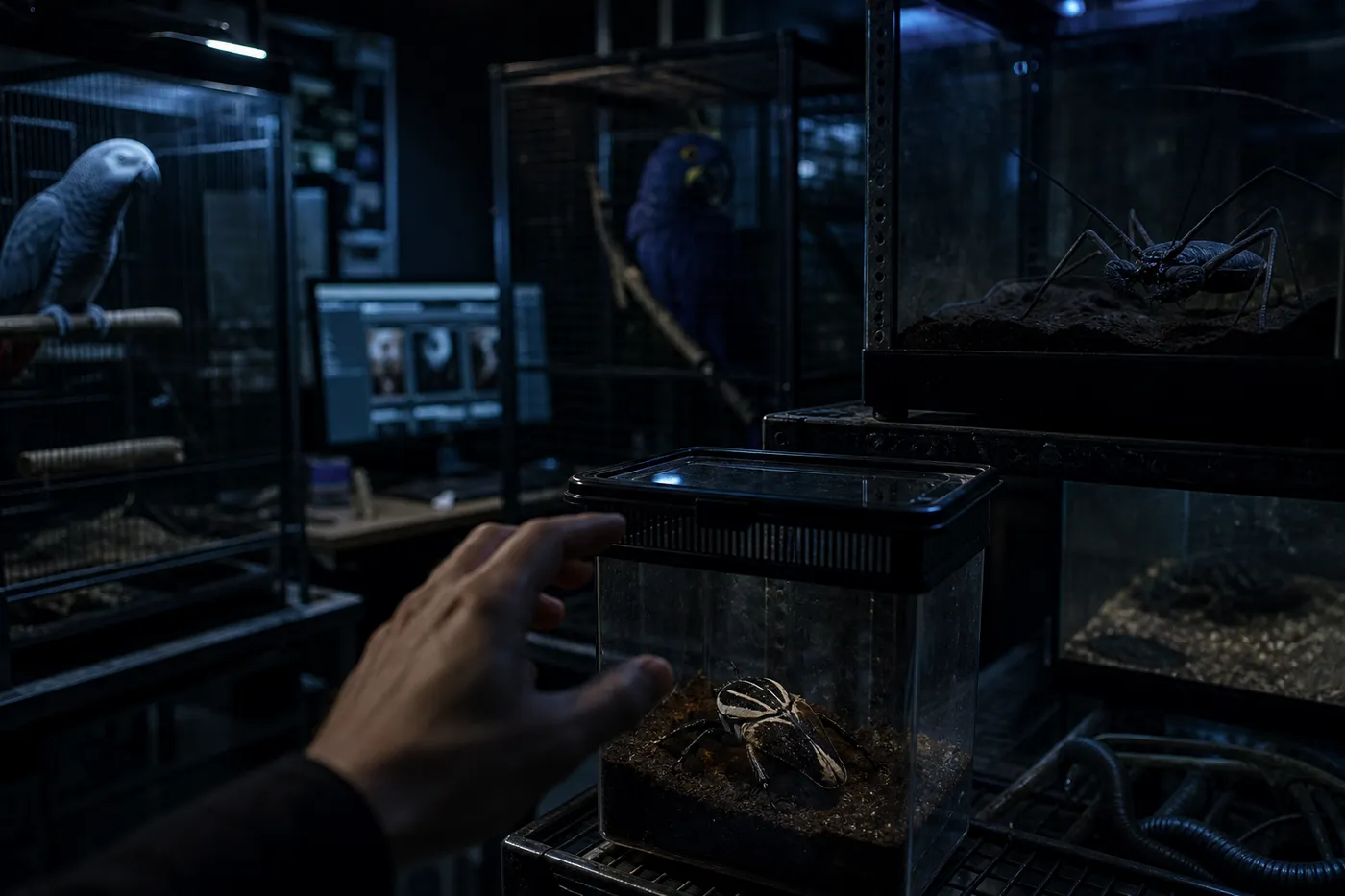
Dark web pet marketplaces are extremely limited and primarily trade wildlife for drug use rather than as pets. A five-year study across 51 dark web marketplaces found 153 species in 3,332 advertisements, with approximately 90% consisting of psychoactive plants and fungi[1]. The most commonly advertised animal products include:
Elephant ivory (22 advertisements)
Rhinoceros horns (13 advertisements)
Tiger teeth and skins (4 advertisements)[2]
Comparison of Fictional Darkpets vs Real Animals in Dark Web Trade
| Creature Name | Source | Documented Evidence | Legal Status |
|---|---|---|---|
| Lickable Toad | Fiction (Life of Luxury) | N/A | Depends on local laws |
| Magic Mushroom Creature | Fiction (Life of Luxury) | N/A | Depends on local laws |
| Elephant | Real | 22 advertisements for ivory [2] | Illegal under CITES |
| Rhinoceros | Real | 13 advertisements for horns [2] | Illegal under CITES |
| Tiger | Real | 4 advertisements for skins [2] | Illegal under CITES |
| Psychoactive Plants | Real | 90% of trade [1] | Varies by species |
What Are Dark Web Pets?
Dark web pet marketplaces refer to online platforms hidden within the dark web where illegal wildlife trade occurs. This trade often involves exotic animals, but it is primarily associated with wildlife trafficking, which is a serious crime. For example, a study identified 3,332 advertisements for 153 species sold across 51 dark web marketplaces over five years, averaging around 600 listings per year[1]. However, approximately 90% of these listings consist of plants and fungi with psychoactive effects, rather than traditional pets[1].
The fascination with dark web pets stems from popular entertainment, particularly horror series like Life of Luxury. These shows sensationalise the dark web, showcasing bizarre creatures and illicit activities, which can distort viewers' perceptions of what is truly available. While episodes may feature fictional pets like the “Interactive Love Dog” or “Bed Worm,” these narratives do not accurately reflect the reality of wildlife trafficking.
It's important to distinguish between creepypasta or fictional content and actual illegal activities. The dark web is filled with disturbing stories and images, but engaging with these markets can lead to legal consequences. Wildlife crime linked to the Internet, as defined by CITES, includes any wildlife specimen traded online that violates laws protecting endangered species[3].
If you’re intrigued by the dark web, remember that the majority of what you see in entertainment is not representative of real-life scenarios. The illegal wildlife trade is not just about exotic pets; it contributes to the decline of endangered species and supports organised crime networks. So, while you may enjoy the thrill of dark web stories, the actual implications of wildlife trafficking are serious and far from entertaining.
Darkpets (Life of Luxury) - Fictional Creatures List
The Darkpets website features a range of bizarre and fictional creatures showcased in the Life of Luxury horror series. Here’s a comprehensive list categorised by type:
Parasites
Bed Worm: A nocturnal creature that burrows into beds, feeding on the warmth and energy of sleeping individuals. It is said to cause nightmares and sleep disturbances.
Skin Peeler: This unsettling parasite attaches to the skin of its host, slowly peeling away layers of skin while the victim remains unaware until it’s too late.
Dogs
Interactive Love Dog: A virtual pet designed to respond to its owner's emotions, providing companionship and affection. It’s portrayed as an ideal pet for those seeking comfort.
Lovebuddy Junior: A smaller version of the Interactive Love Dog, this creature is said to be capable of projecting holographic images of its owner’s happiest memories.
Fish
Scaletor: A strange aquatic creature with translucent skin and glowing scales, known for its hypnotic movements that can mesmerise anyone watching.
Homunculous: This small, fish-like creature is rumoured to possess magical properties, able to grant wishes if properly cared for.
Spiders
Skinny Spider: A long-legged arachnid that thrives in dark corners, known for weaving webs that can trap not just insects but also small animals.
Pig Eating Spider: This fictional spider is depicted as a monstrous entity capable of consuming prey much larger than itself, creating a sense of dread.
These creatures, while entirely fictional, embody the eerie and often grotesque themes that Life of Luxury explores. If you find yourself intrigued by these bizarre beings, remember they are products of horror fiction rather than actual dark web offerings. The real dark web wildlife trade is fraught with ethical concerns and legal implications, making it crucial to distinguish between entertainment and reality.
Real Animals Sold on Dark Web Markets
The dark web wildlife trade is a serious issue, featuring a range of real animals sold illegally. Research has documented various species being advertised, highlighting the alarming extent of wildlife trafficking.
Documented Species
A 2023 study revealed 12 live pet advertisements for exotic species, including:
African grey parrots
Hyacinth macaws
Goliath beetles
Japanese sea cucumbers
These examples illustrate that actual animals are being sold, not just fictional pets.
Scope of the Trade
In a broader context, a study conducted between 2016 and 2017 identified a staggering 3,706 exotic animals listed for sale. This included:
Primates
Exotic cats
Canids
The illegal wildlife trade encompasses various animals, with a significant portion being endangered species. A separate analysis across 51 dark web marketplaces found 153 species advertised in 3,332 listings over five years, averaging around 600 advertisements annually[1].
Illegal Activities and Consequences
The wildlife crime linked to the Internet is defined by CITES as any trade involving wildlife specimens facilitated through online platforms[3]. This trade not only threatens the survival of endangered species but also supports organised crime. Engaging in these transactions can lead to severe legal consequences, including hefty fines and imprisonment.
For instance, INTERPOL found advertisements for rhino horns, ivory, and tiger parts on the dark web, with trading often conducted in cryptocurrencies like Bitcoin[4]. The gravity of this issue cannot be overstated; the reality is grim, as these activities contribute to the decline of biodiversity.
Summary
While the allure of exotic animals may capture your imagination, it’s essential to recognise the serious implications of the dark web wildlife trade. The animals sold are not just part of a sensational story; they represent real illegal activities with devastating impacts on wildlife and ecosystems. If you’re curious about the dark web, approach this topic with caution and an understanding of the ethical concerns at play.
Most Common Dark Web Wildlife Categories
Dark web wildlife trade is diverse, primarily divided into two categories: live exotic pets and animal parts/products. Understanding these categories helps clarify what is actually available and the reasons behind the prevalence of certain species.
Live Exotic Pets vs. Animal Parts/Products
While many might assume that the dark web is a haven for exotic pets, the reality is starkly different. A significant portion of dark web wildlife trade, approximately 90%, involves plants and fungi with psychoactive effects, indicating a strong link to the drug trade rather than traditional pet ownership[1].
In contrast, the sale of live animals is less common but still present. An analysis revealed that 12 live pet advertisements included species such as African grey parrots, hyacinth macaws, and Goliath beetles[1]. The appeal of these creatures often stems from their exotic nature, but engaging in their trade poses legal and ethical risks.
Wildlife for Traditional Medicine/Drugs
Certain wildlife is sold primarily for use in traditional medicine or drug production, rather than as pets. For instance, INTERPOL's research identified advertisements for rhino horns, tiger parts, and ivory, which have historical significance in traditional medicine[4]. These products are often traded in cryptocurrencies, making tracking and enforcement challenging.
Commonly Advertised Species
Some of the most frequently advertised species in the dark web wildlife trade include:
Elephant ivory: 22 advertisements
Rhinoceros horns: 13 advertisements
Tiger teeth and skins: 4 advertisements[2]
The prevalence of these species can be attributed to their high market value and demand in illegal trade networks.
Why Certain Animals Appear More Frequently
The representation of specific animals in the dark web can often be linked to their cultural significance or rarity. For example, reptiles and arachnids, such as tailless whip scorpions, are frequently sought after due to their exotic appeal and low maintenance needs. Rare species often attract collectors, further driving demand.
This is true if you consider that the illegal wildlife trade thrives on niche markets where unique or endangered species can fetch high prices. However, not all advertised pets are legitimate; many listings are fraudulent, with sellers disappearing after payment.
Conclusion
The dark web wildlife trade encompasses a complex web of illegal activities, from the sale of live exotic pets to the trafficking of animal parts for traditional medicine. As you explore this topic, remember that the thrill of dark web stories often masks the serious implications of wildlife trafficking and its impact on biodiversity. Stay informed and cautious, as the reality is far more concerning than sensationalised tales suggest.
How Dark Web Pet Trade Actually Works
The dark web pet trade operates through anonymous marketplaces, where vendors list exotic animals and related products. These marketplaces are often structured similarly to e-commerce sites, but they operate outside legal regulations, making them a hotspot for illegal wildlife trade.
Marketplace Structure
Vendors create listings that include pictures, descriptions, and prices for animals like African grey parrots or hyacinth macaws. A study found that over five years, 3,332 advertisements featured 153 species across 51 dark web marketplaces, averaging around 600 ads per year[1]. However, it’s crucial to note that many listings are scams or misrepresentations.
Pricing Mechanisms
Prices for dark web pets can vary dramatically. For instance, a search for “dark web pet fish price” might yield results ranging from $50 to several thousand dollars, depending on the species and rarity. Approximately 60% of advertisements include prices, totalling around $66,014,467 in value[5]. This variability can be attributed to the illegal nature of the trade and the associated risks.
Payment Methods
Cryptocurrencies like Bitcoin are the preferred payment methods in these transactions. This anonymity appeals to both buyers and sellers but also complicates any potential recovery of funds in case of fraud. A significant portion of wildlife trade is facilitated through private messaging apps like WhatsApp, which allows for direct communication between buyers and sellers[6].
Shipping and Delivery Risks
Shipping exotic animals poses substantial risks. Many vendors do not adhere to regulations, and animals may arrive in poor condition or not at all. This is true if sellers are untrustworthy or if shipping methods are illegal. A lack of reliable delivery services means that many transactions fail or result in scams.
Failure and Scams
Most transactions in the dark web pet trade fail due to the prevalence of scams. Many listings are fraudulent, with sellers disappearing after receiving payment. The anonymity of the dark web makes it difficult to hold sellers accountable, leading to a high rate of lost funds and unfulfilled orders.
Navigating the dark web pet trade is fraught with ethical and legal challenges. While the allure of exotic animals might be compelling, the reality is often grim, with significant implications for wildlife conservation and legality. Always exercise caution and think critically about the information you encounter in this shadowy corner of the internet.
Legal Consequences and Risks
Purchasing illegal wildlife on the dark web can lead to severe legal penalties. Engaging in this trade violates both federal and international laws, including regulations set by CITES (the Convention on International Trade in Endangered Species of Wild Fauna and Flora). CITES classifies wildlife crime linked to the Internet as involving any wildlife specimen traded online, which includes dark web marketplaces[3].
The consequences of buying illegal wildlife can be hefty. For instance, individuals caught purchasing endangered species may face fines ranging from $10,000 to $50,000 or even imprisonment for up to five years, depending on the severity of the offence. Moreover, the laws are becoming stricter; the EU Digital Services Act now mandates online platforms to assess and mitigate the risks of illegal wildlife sales[7].
Risks of Scams and Law Enforcement Monitoring
The dark web is rife with scams. Many listings for exotic pets are fraudulent, with sellers disappearing post-payment. INTERPOL's research indicates that illegal wildlife trade advertisements often involve significant financial risks, with the potential for buyers losing their funds without receiving any product[4]. Law enforcement agencies actively monitor dark web activities, aiming to crack down on wildlife trafficking. This means that engaging in such purchases not only risks financial loss but may also lead to legal action against you.
Health and Safety Dangers
Purchasing unregulated exotic animals poses health and safety risks. Animals sold on dark web marketplaces may carry diseases or require specific care that the average buyer cannot provide. For example, some exotic pets, like the tailless whip scorpion or the Goliath beetle, can be dangerous if not handled properly. Additionally, these animals may not be legally sourced, contributing to the ongoing wildlife trafficking crisis.
Related Concerns
Understanding what is illegal to view on the dark web is crucial. Many advertisements promote illegal wildlife products, which can lead to legal repercussions if viewed or purchased. The dark web wildlife trade is not just a curiosity; it is an ongoing issue that impacts biodiversity and conservation efforts globally. If you're curious about dark web activities, remember that the risks and consequences are very real.
Why People Search for Dark Web Pet Lists
Curiosity drives many to search for dark web pet lists, particularly fans of the “Life of Luxury” series. This content often highlights bizarre and shocking aspects of the dark web, feeding a morbid fascination with the unusual. You may find yourself intrigued by tales of exotic pets like the African grey parrot or the hyacinth macaw, but this interest can blur the lines between entertainment and the grim reality of wildlife trafficking.
The Allure of Creepypasta Culture
Creepypasta culture adds another layer to this fascination. Stories of mythical creatures and dark web encounters captivate audiences, creating a sense of thrill. The viral content claiming “I Found The Deadliest Animals On The Dark Web” often sensationalises these narratives, drawing in viewers without emphasising the serious implications behind such trades. This is true if you consider that many viewers are more interested in the shock factor than the ethical concerns surrounding wildlife crime.
Entertainment vs. Criminal Interest
It’s essential to distinguish between entertainment and genuine criminal interest. While the dark web may seem like a thrilling topic, actual engagement in illegal wildlife trade can lead to severe consequences. A study showed that 90% of dark web wildlife trade consists of plants and fungi with psychoactive effects, linking them more to the drug trade than traditional pet ownership[1]. This indicates that while the search might stem from curiosity, the reality involves serious legal and ethical implications.
Viral Nature of Dark Web Content
The viral nature of dark web pet lists often overshadows the significant issues at play. With platforms like Facebook being hotspots for illegal wildlife advertisements, the allure of exotic animals can lead to a dangerous cycle of exploitation and misinformation[5]. As you explore this topic, remember that the stories and videos you encounter may present a distorted view of the dark web, focusing more on entertainment than the harsh realities of wildlife trafficking.
In summary, while the curiosity about dark web pets can be entertaining, it’s crucial to approach the subject with a critical eye. The dark web is not just a playground for the bizarre; it’s a serious issue that impacts wildlife conservation and legality. Stay informed and aware as you navigate this shadowy corner of the internet.
Your questions, answered
- What are some examples of animals that are found on the dark web?
Dark web wildlife trade includes elephant ivory (22 advertisements), rhinoceros horns (13 advertisements), and tiger teeth and skins (4 advertisements)[2]. However, approximately 90% of dark web wildlife trade consists of plants and fungi with psychoactive effects, not traditional pets[1]. A study across 51 marketplaces found 153 species advertised over five years, but most were linked to drug trade rather than exotic pet ownership[1].
- What is illegal to view on the dark web?
Viewing content related to wildlife crime is illegal when it involves specimens traded through dark web platforms, including endangered species protected under CITES[3]. Approximately 84% of illegal wildlife trade detected online involves CITES Appendix I taxa—species threatened with extinction[5]. Engaging with advertisements for rhino horns, ivory, or tiger parts, which INTERPOL found in 21 dark web listings, can expose you to legal monitoring and potential prosecution[4].
- Can you give me a list of dark web sites?
We do not provide lists of dark web marketplaces, as accessing them facilitates illegal wildlife crime and exposes you to scams and law enforcement monitoring. Research identified 51 dark web marketplaces trading wildlife over five years, but most transactions involve fraudulent listings or illegal products[1]. INTERPOL actively surveils these platforms, finding advertisements for ivory, rhino horns, and tiger parts traded in Bitcoin[4].
- What are the most exotic pets?
Exotic pets typically include reptiles like rare snakes, arachnids such as tailless whip scorpions, and insects like Goliath beetles. However, dark web wildlife trade focuses on psychoactive plants and fungi (90% of listings) rather than traditional exotic pets[1]. The most commonly advertised items are elephant ivory, rhinoceros horns, and tiger parts—products for traditional medicine, not pet ownership[2]. If you're seeking legal exotic pets, consult CITES-approved breeders instead.
Key Takeaways
Before you venture further into dark web research, remember these essentials:
Entertainment ≠ Reality: Most "dark web pet" content is sensationalised horror fiction; 90% of actual wildlife trade involves psychoactive plants, not exotic animals[1].
Legal Consequences Are Real: Trading CITES-protected species can result in fines up to $250,000 and five years imprisonment in the USA[3].
Scams Dominate Marketplaces: Many listings are fraudulent, with vendors vanishing after cryptocurrency payments; law enforcement actively monitors these platforms[4].
Health Risks Exist: Unregulated exotic animals carry transmissible diseases and suffer poor welfare during illegal transport.
Ethical Impact Matters: Engaging with these markets fuels organised crime and drives endangered species toward extinction[3][4].
If you're curious about navigating the dark web safely for research purposes, start with Understanding Tor URLs: Your Gateway to the Dark Web to learn proper anonymity practices before exploring further.
Explore More Dark Web Secrets
Dive deeper into the hidden corners of the internet with us.
Discover MoreNotes
- 1. Lickable toads and magic mushrooms: wildlife traded on the dark web is the kind that gets you high
- 2. The dark web trades wildlife, but mostly for use as drugs
- 3. Wildlife crime linked to the Internet - CITES.org
- 4. Research identifies illegal wildlife trade on the Darknet | IFAW
- 5. WILDLIFE HAS A FACEBOOK PROBLEM
- 6. Monitoring illegal wildlife trade Brazil and South Africa GI-TOC October 2024
- 7. Fighting wildlife cybercrime with the new EU Digital Services Act
Continue with
 Dark Web Search Engine 2021Discover the best dark web search engines of 2021 to navigate safely and efficiently through hidden online resources.
 Torch Dark Web Search EngineExplore the Torch dark web search engine for safe and efficient browsing. Find hidden sites and resources easily without technical skills.