

Torch Tor Link
This guide is for beginners exploring the dark web, providing essential links and safety tips.

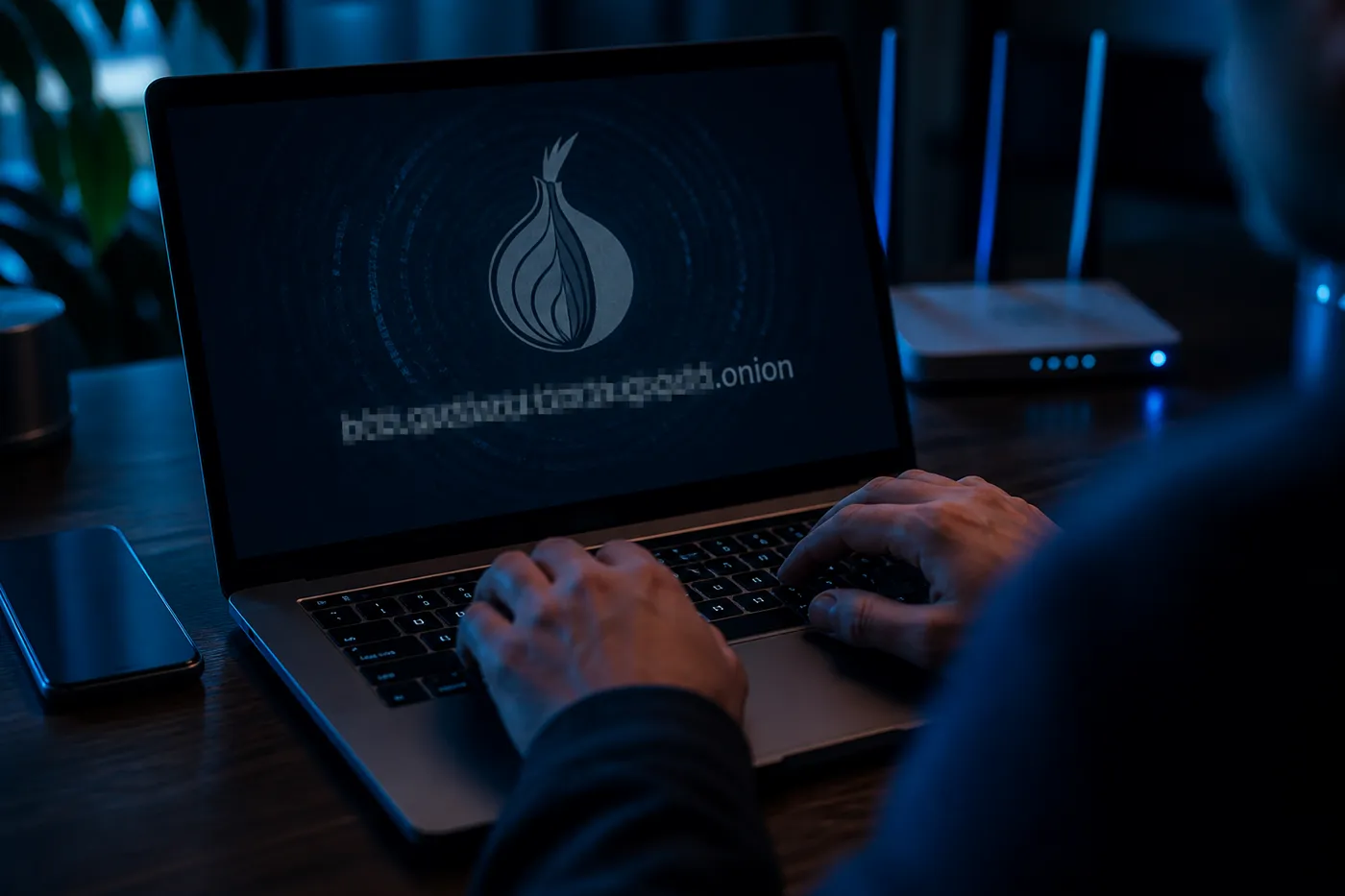
The current working Torch onion link is torchsfe235y6d7wguqo6g4ucxqq7frrm5fpgkjssdhthsq4kjmmisid.onion[1]. To access it, you need:
Tor Browser installed and running
Copy the full .onion address into the browser's address bar
Wait 10–30 seconds for the connection to establish through the Tor network
Torch vs. Alternatives Comparison
| Search Engine | Content Filtering | Index Size | Unique Features |
|---|---|---|---|
| Torch | None | Depends on active services | Oldest dark web search engine |
| Ahmia | Yes | Hundreds of thousands | Public blacklist of banned services |
| Not Evil | No | Depends on active services | User-friendly interface |
| DuckDuckGo | Yes | Billions (clear web) | Privacy-focused search engine |
What Is Torch and Why Use It on Tor
Torch is one of the oldest dark web search engines, operating since 1996, predating Google by two years. This makes it the oldest continuously operating search engine on the dark web. It provides a way to search for .onion sites that regular search engines cannot index, allowing users to access hidden services within the Tor network.
The Tor network uses a special domain name system where .onion sites are hosted. These sites use names that are self-authenticating, derived from cryptographic keys, which ensures a level of anonymity for both users and site operators[2]. However, accessing these sites requires tools like Torch, as traditional search engines do not index them[3].
Torch acts primarily as a navigation tool. It helps you find .onion addresses, but it doesn't provide anonymity on its own. For that, you need the Tor Browser, which is specifically designed to ensure your online activity remains private[4]. The combination of Torch and Tor Browser is essential for effectively navigating the dark web.
When using Torch, be aware that the number of active .onion sites can fluctuate. As of October 2026, there are approximately 665,086 unique v3 onion addresses accessed daily[5]. This represents a fraction of the total number of .onion services available, which suggests that many sites may be inactive or rarely visited[6].
In summary, Torch is a valuable tool for anyone looking to explore the dark web, as it helps you discover hidden services that you can't find through standard search engines. Just remember, while Torch assists in navigation, your anonymity depends on using it through the Tor Browser.
Current Torch Onion Link (2026)
The verified current .onion URL for Torch is torchsfe235y6d7wguqo6g4ucxqq7frrm5fpgkjssdhthsq4kjmmisid.onion[1]. To access this link, you must use the Tor Browser, as regular web browsers cannot connect to .onion sites.
.onion links are unique and can change frequently. This is due to the nature of the Tor network, which is designed to operate without central control[2]. As such, it is crucial to verify any onion links you come across from trusted sources to avoid invalid or malicious addresses. For example, only use links from well-known directories like Ahmia or trusted forums[7][8].
How to Access Torch
Install Tor Browser: Make sure you have the latest version of Tor Browser installed on your device.
Open the Browser: Launch Tor Browser and wait for it to connect to the Tor network.
Enter the URL: Copy the full .onion address into the address bar and press Enter.
Wait for Connection: It may take 10–30 seconds for the connection to establish.
Why Verification Matters
Security Risks: Using outdated or incorrect links can expose you to phishing or malicious sites.
High Failure Rate: Research indicates that around 90% of lookups for onion addresses are invalid, highlighting the importance of using verified links[4].
Dynamic Environment: The number of active .onion sites changes regularly, with approximately 665,086 unique v3 onion addresses observed daily[5].
By following these guidelines, you can safely navigate to Torch and explore the dark web with more confidence. Always remember that while Torch helps you find .onion sites, your privacy and security depend on using the Tor Browser.
How to Access Torch Safely
Accessing Torch securely involves a few straightforward steps. Follow this guide to ensure your experience is safe and private.
Step 1: Download Tor Browser
Visit the official Tor Project website at torproject.org.
Download the latest version of Tor Browser appropriate for your operating system (Windows, macOS, or Linux).
Install the browser by following the on-screen instructions.
Step 2: Open Tor Browser
Launch Tor Browser after installation.
Wait for it to connect to the Tor network. This may take a few moments.
Step 3: Enter the Torch Onion Link
Copy the current Torch onion link: torchsfe235y6d7wguqo6g4ucxqq7frrm5fpgkjssdhthsq4kjmmisid.onion[1].
Paste the link into the address bar of Tor Browser and press Enter.
It may take 10–30 seconds for the connection to establish.
Important Security Considerations
Avoid Tor2web and Clearnet Proxies: Never use Tor2web or any clearnet proxies for sensitive searches. These services can compromise your anonymity and expose you to security risks.
- Check Safety Levels: In Tor Browser, adjust your security settings by clicking on the shield icon. You can choose from different safety levels, which dictate how your browsing experience is managed:
Standard: Default settings; allows JavaScript and other features.
Safer: Blocks certain scripts and some media.
Safest: Disables JavaScript completely and limits functionality to enhance security.
Summary
By following these steps, you can safely access Torch and explore the dark web while maintaining your privacy. Always remember that your security heavily relies on using the Tor Browser, as it provides the necessary protections for your online activities. Happy browsing!
How Torch Search Works
Torch has built a massive index over many years, making it one of the oldest dark web search engines still in operation. Since its launch in 1996, Torch has indexed a wide variety of .onion sites, providing a unique resource for users navigating the dark web. However, it is important to manage your expectations regarding the quality of search results.
Basic Search Functionality
Torch offers a straightforward search functionality that relies on simple keyword searches. Unlike more advanced search engines like Google, Torch does not provide filters or sophisticated sorting options. You simply enter your keywords and receive a list of results that match your query. This means that while you may find some useful content, the search experience can be hit or miss.
Realistic Expectations
The dark web is known for its fluid nature, and this is reflected in the results you get from Torch. The number of active .onion sites fluctuates, with around 665,086 unique v3 onion addresses accessed daily as of October 2026[5]. However, research indicates that about 90% of lookups for onion addresses are invalid, and over 90% of connections to onion services fail[4]. This means that many links you encounter may lead to dead ends or inactive sites due to the transient nature of dark web content.
To enhance your search experience, consider these tips:
Use Specific Keywords: The more specific your search terms, the better your chances of finding relevant content.
Be Prepared for Dead Links: Expect to encounter many dead links during your searches. This is a common issue on the dark web.
Cross-Reference Results: If you find a promising result, check other sources or directories to verify its validity before proceeding.
Torch serves as a valuable navigation tool, but it is essential to approach your searches with an understanding of the limitations and challenges inherent in the dark web.
What You Can and Can't Find on Torch
Torch is a gateway to a variety of content on the dark web, but what you encounter can vary widely. It serves as a search engine for .onion sites, which are designed for anonymity and privacy. You will discover legitimate uses, such as:
Legitimate Uses
Privacy-Focused Services: Many users turn to the dark web for services that prioritise privacy, such as secure email providers and anonymous chat platforms.
Whistleblowing Platforms: Sites that allow individuals to report wrongdoing without revealing their identity can be found here, providing a crucial service for those needing to expose corruption or illegal activities.
Censorship Circumvention: Individuals in restrictive regimes often use the dark web to access information and communicate freely, bypassing government censorship.
Risks and Legal Consequences
While there are legitimate uses, it’s crucial to acknowledge that illegal content exists on Torch. This includes drugs, weapons, and other illicit services. Engaging with such content can lead to serious legal consequences and potential criminal charges, depending on your jurisdiction. Always remember, accessing illegal material is not only risky but also against the law.
Indexing Nature of Torch
Torch indexes everything it comes across within the Tor network, meaning it does not curate or filter content. This lack of curation leads to a mixed bag of results. As of October 2026, the Tor network hosts approximately 665,086 unique v3 onion addresses daily, but around 90% of lookups for onion addresses are invalid[5][4]. This indicates that while you may find interesting and useful sites, many links could be dead or lead to malicious content.
Conclusion
In summary, Torch is a tool for navigating the dark web, but it comes with its own set of challenges. You can find a range of content, from privacy-enhancing services to illegal marketplaces. Approach your search with caution, and always verify the legitimacy of the sites you visit.
Common Torch Search Mistakes to Avoid
Navigating the dark web can be tricky, especially with Torch. Here are common mistakes to steer clear of for a safer experience.
Don't Click Suspicious Links Without Verification
Not all .onion links are trustworthy. Clicking on unverified links can lead you to malicious sites. Always verify links using trusted sources like Ahmia or well-known forums. Research indicates that around 90% of lookups for onion addresses are invalid, so caution is essential[4].
Avoid Downloading Files from Unknown Sources
Downloading files from unknown sources poses significant malware risks. Malicious software can compromise your device and data. If a site prompts you to download something, think twice. It's safer to avoid downloads unless you are certain of the file's legitimacy.
Don't Assume Anonymity Means Safety from Scams
While the Tor network offers anonymity, it does not guarantee protection from scams. Many users fall victim to fraudulent schemes believing they are safe due to their anonymity. Always exercise caution and research before engaging with any service or transaction.
Recognising Dead or Scam Sites
Many search results lead to inactive or scam sites. To identify potentially dead links, look for:
Outdated Content: If a site hasn’t been updated in a while, it may no longer be active.
Suspicious Design: Poorly designed sites or those with numerous pop-ups can be red flags.
User Feedback: Check forums or directories for user experiences related to specific sites.
Summary
By avoiding these common mistakes, you can navigate Torch and the dark web more safely. Remember, verification is your best friend. Always check links and be cautious with downloads to protect your privacy and security.
Torch Alternatives Worth Knowing
If you're exploring the dark web, knowing alternatives to Torch can enhance your experience. Here are three noteworthy options:
Ahmia
Ahmia is a search engine specifically designed for the Tor network. It actively filters out illegal content, maintaining a public blacklist of banned onion services to ensure users can search safely[7]. This makes Ahmia a suitable choice if you want to avoid illegal material while navigating .onion sites. You can access it through both its clearweb website and its onion service version, which has been operational since 2014[8].
Not Evil
Not Evil is another search engine that functions similarly to Torch but focuses on user-friendliness and safety. It aims to provide a reliable search experience while indexing a variety of .onion sites. Not Evil does not maintain a strict blacklist like Ahmia, which means you might encounter a broader range of content, but it's essential to be cautious and verify the legitimacy of the sites you visit.
DuckDuckGo Onion Version
DuckDuckGo offers an onion version of its popular search engine, providing a familiar interface for users who prefer a clearnet experience. Its key feature is that it allows users to search the web anonymously without tracking personal data. However, it’s important to note that DuckDuckGo is primarily a clearnet search engine with an onion mirror, which means it does not specifically index .onion sites like Torch or Ahmia.
By familiarising yourself with these alternatives, you can diversify your dark web searches and enhance your online safety. Always remember to verify links and use trusted sources to navigate securely.
Your questions, answered
- What is a .onion domain?
A .onion domain is a special-use top-level domain defined in RFC 7686 that uses self-authenticating names derived from cryptographic keys[2]. These names cannot be registered or transferred through traditional means because ownership is derived solely from control of a public/private key pair, with no central authority managing them[2]. The Tor Project uses .onion domains to let people browse and publish content anonymously through the Tor network, providing more private ways to host websites and access services[3].
- How do I find onion links?
You can find onion links through dedicated dark web search engines like Torch, Ahmia, or Not Evil, which index .onion sites accessible via Tor Browser. However, be prepared for challenges: research shows that approximately 90% of lookups for onion addresses are invalid, and more than 90% of attempted connections to onion services fail[4]. For safer browsing, use curated directories like Ahmia, which maintains a public blacklist of banned services[7], or check trusted forums and community recommendations before visiting any .onion address.
- Ahmia search engine onion link
Ahmia is an open-source search engine founded by Juha Nurmi in 2014 and based in Finland, accessible through both its clearweb website at ahmia.fi and its onion service version[7][8]. Unlike Torch, Ahmia actively filters content by maintaining a public blacklist at https://ahmia.fi/banned/ and does not allow abuse material in its search index, removing it as soon as possible when reported[7]. This makes Ahmia a safer alternative if you want to avoid illegal content while searching .onion sites.
Key Takeaways
Before you start searching, remember these essentials:
Verify the current Torch onion link through trusted sources like Ahmia or community forums before each session, as .onion addresses change frequently.
Expect dead links and invalid results — around 90% of onion address lookups fail[4], so patience and cross-referencing are crucial.
Never download files or click suspicious links without verification; anonymity does not protect you from malware or scams.
Use Tor Browser exclusively for accessing .onion sites, and consider enabling the safest security level to block scripts and potential exploits.
Explore alternatives like Ahmia if you want filtered, safer search results that exclude illegal content by design[7].
Once you're comfortable with Torch basics, learn how other dark web search engines compare in terms of indexing size, safety features, and content filtering to find the tool that best fits your needs.
Explore More Dark Web Insights
Dive deeper into our resources and enhance your knowledge.
Visit More ArticlesNotes
- 1. Torch — Search Tor Hidden Services
- 2. RFC 7686 - The .onion Special-Use Domain Name
- 3. What are .onion sites and onion services? - Tor Project
- 4. Understanding Tor Usage with Privacy-Preserving Measurement | Proceedings of the Internet Measurement Conference 2018
- 5. How Many People Use Tor? 2026 Numbers
- 6. Torch Search Engine: What It Indexes and What It Misses
- 7. About Us — Ahmia
- 8. Ahmia - Wikipedia
Continue with
 Dark Web Search Engine 2021Discover the best dark web search engines of 2021 to navigate safely and efficiently through hidden online resources.
 Finding the Torch Onion URL: Your Gateway to the Dark WebDiscover the current working Torch onion URL to easily access the dark web search engine and explore hidden content safely.