

Dark Web Links Marketplaces
This guide is for beginners seeking to understand dark web marketplaces and how to navigate them safely.
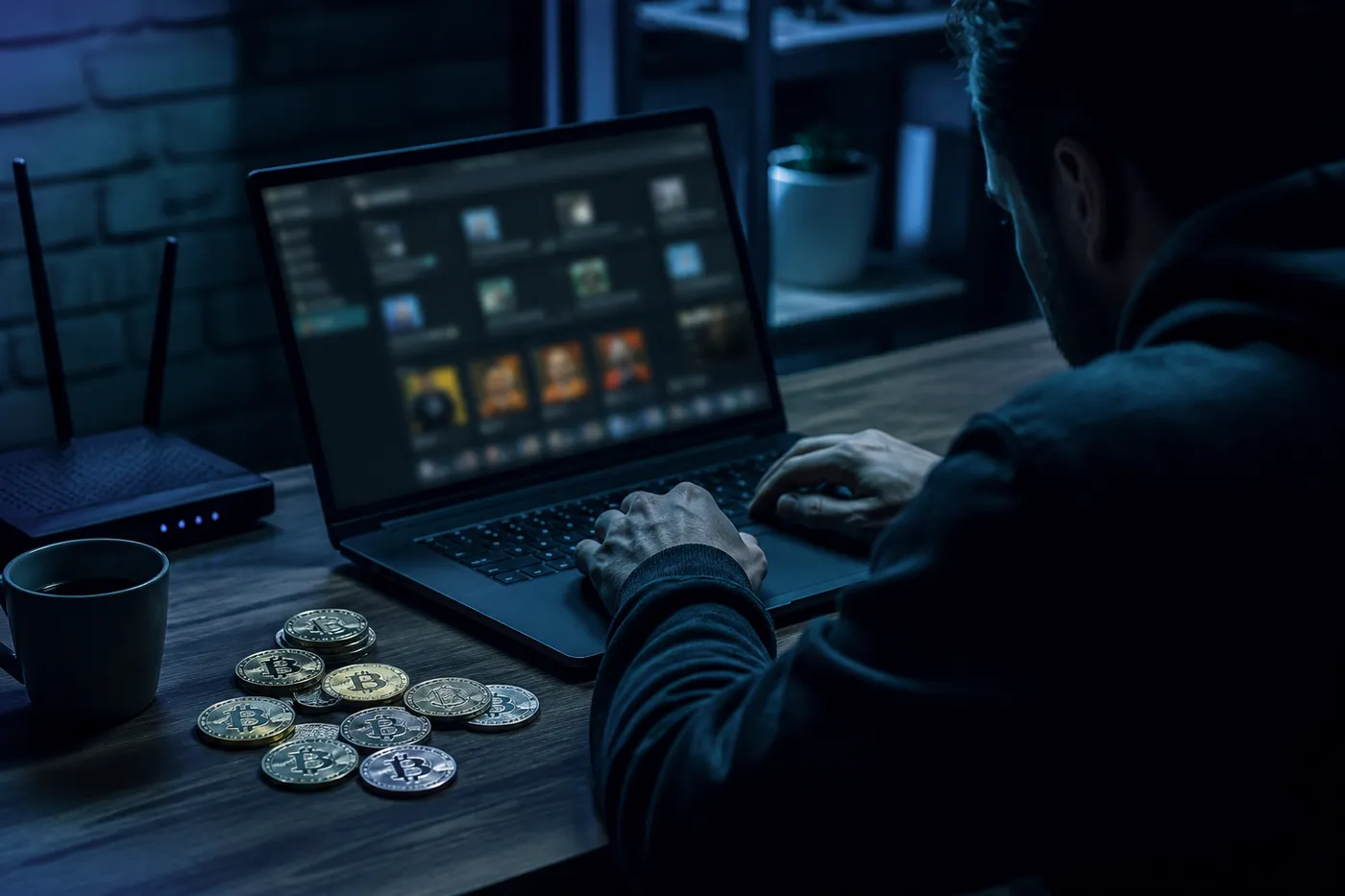
Most beginners should start with understanding how marketplaces work and security fundamentals before attempting access—law enforcement traced Incognito Market's operator through cryptocurrency transfers to an exchange account in his name[1], and Operation RapTor arrested 270 vendors and buyers globally[2]. If you're researching legal uses or academic interest, focus on dark web search engines and red flag identification to navigate safely without engaging in transactions. For those determined to explore active links, prioritise Tor setup, PGP encryption, and recognising scam indicators—markets handled over $2 billion in Bitcoin during 2024[1], but seizures like Nemesis Market's $30 million operation[3] show platforms disappear without warning.
What to Look for When Choosing a Marketplace
- Escrow System
- A working escrow holds your payment until you confirm delivery, protecting you from scams. Check the marketplace FAQ or vendor pages—if there's no mention of escrow or it's optional, walk away.
- Vendor Vetting Process
- Platforms that require vendors to post a bond or pass verification have fewer exit scams. Look for a "vendor bond" amount listed in the rules or a minimum account age before selling.
- Uptime and Mirror Links
- Marketplaces go offline for maintenance or DDoS attacks; reliable ones publish multiple .onion mirrors. Test at least two mirrors before depositing funds—if only one works, it might be a phishing clone.
- Community Feedback
- Active forums like Dread or Reddit's darknet subreddits flag exit scams and law enforcement takedowns within hours. Search the marketplace name plus "scam" or "down" before you register.
- Cryptocurrency Options
- Bitcoin is traceable; Monero offers better privacy. If a marketplace only accepts Bitcoin without coin-mixing, your transactions can be linked to your wallet and potentially to you.
- Two-Factor Authentication (2FA)
- 2FA with PGP keys (not SMS) stops phishing sites from stealing your account even if you enter your password on a fake mirror. Enable it in account settings and save your PGP private key offline.
Dark Web Marketplaces Comparison Table
| Marketplace | Safety Features | Transaction Volume (2024) | Legal Status | User Ratings | Update Frequency |
|---|---|---|---|---|---|
| Kraken DNM | PGP signatures, multisig escrow | $737 million | Illegal | High | Monthly |
| Nemesis Market | Escrow system, user reviews | $30 million (before seizure) | Illegal | Medium | N/A |
| Incognito Market | Anonymity features, escrow | N/A | Illegal | Low | N/A |
| Hydra Market | Strong encryption, user verification | N/A | Illegal | High | N/A |
| AlphaBay (reopened) | PGP signatures, escrow | N/A | Illegal | High | Weekly |
What Are Dark Web Marketplaces and How Do They Work
Dark web marketplaces are hidden trading platforms operating on darknets, requiring specialised software like the Tor Browser to access them. These platforms typically reside on .onion domains, making them difficult to find and access through standard web browsers. The mechanics of these marketplaces involve vendors selling goods or services and buyers making purchases using cryptocurrencies, most commonly Bitcoin.
A key feature of dark web marketplaces is the escrow system. In standard escrow, buyers deposit cryptocurrency into a market-controlled wallet before placing their orders. The funds are held until the buyer confirms receipt of the goods or an auto-finalise window, usually lasting 14 to 21 days, expires[4]. This mechanism protects buyers from scams, as it ensures that funds are only released when the transaction is complete.
Marketplaces operate on a peer-to-peer basis, where vendors and buyers interact directly. The anonymity provided by the Tor network helps users avoid detection by law enforcement, although it is not foolproof. For instance, the FBI has successfully traced users by analysing cryptocurrency transactions and deploying specialised investigative techniques[1][5].
Understanding the distinction between the surface web, deep web, and dark web is crucial. The surface web consists of publicly accessible sites indexed by search engines, while the deep web includes unindexed content like databases and private networks. The dark web, a subset of the deep web, contains hidden sites that require specific software to access, where many illegal activities occur.
These marketplaces can be enticing for those looking to explore, but they also come with risks, such as scams and legal consequences. In 2024, dark web markets received over $2 billion in Bitcoin, indicating a thriving underground economy, despite periodic crackdowns by law enforcement[1].
How to Access Dark Web Marketplaces Safely
To access dark web marketplaces safely, follow these steps:
Download and Install Tor Browser: Always download the Tor Browser from its official source. This ensures you're using the latest version, which is essential for security. The Tor network anonymises your internet traffic by routing it through multiple servers.
Use a VPN: Before launching Tor, connect to a reliable Virtual Private Network (VPN). This adds an extra layer of anonymity, masking your IP address from your Internet Service Provider (ISP) and making it harder for anyone to trace your activities.
Avoid Personal Information: Do not use your real name, email, or any personal information when accessing dark web marketplaces. Regular browsers and search engines can expose your identity, so stick to Tor exclusively.
OPSEC Basics: Practice operational security (OPSEC). Disable JavaScript in the Tor Browser settings, as it can be exploited to reveal your identity. Avoid downloading files directly from marketplaces; this can lead to malware infections.
Understand .onion Links: Dark web sites typically use .onion domains. These links can only be accessed through the Tor Browser. They often appear long and complex, ensuring anonymity for both users and vendors.
This approach is suitable for those curious about exploring dark web marketplaces without attracting unwanted attention. However, it is crucial to be aware of the risks, including scams and potential legal issues. Always stay informed about the latest security practices, as the dark web landscape can change rapidly.
Active Dark Web Marketplace Links (2026)
Here’s a categorized list of currently active dark web marketplaces, complete with their .onion links and brief descriptions of their focuses. Be aware that links change frequently, and the status of these marketplaces can shift rapidly.
General Goods
Kraken DNM
Focus: A wide range of products including drugs, counterfeit items, and hacking services.
Status: Verified active; registration required.
Transaction Volume: $737 million in 2024[1].AlphaBay (reopened)
Focus: General illicit goods, with a strong emphasis on drugs and stolen data.
Status: Verified active; registration required.
Note: High user ratings suggest reliability.
Specific Niches
Incognito Market
Focus: Anonymity-focused services, primarily for drug sales.
Status: Currently inactive due to law enforcement actions; operator arrested[1][6].
Note: Previously low user ratings indicate potential risks.Nemesis Market
Focus: Drug sales, particularly fentanyl and other controlled substances.
Status: Inactive; seized by authorities in March 2024[1][3].
Note: Facilitated nearly $30 million in sales before seizure.
Legality and Risks
Engaging with dark web marketplaces can lead to legal consequences, as many of these platforms operate illegally. Law enforcement agencies actively monitor and take down marketplaces, as demonstrated by operations like RapTor, which arrested numerous individuals[2].
Disclaimer
Always approach these marketplaces with caution. The legality of transactions varies by jurisdiction, and there are significant risks, including scams and potential legal action.
Before you proceed, ensure you are aware of the nuances of the dark web and the implications of engaging with these platforms.
Legal vs Illegal: What You Can Actually Do on Dark Web Markets
Accessing the Tor network and the dark web is generally legal in most countries. However, the activities you engage in can cross legal boundaries. Legal activities include privacy-focused communication, circumventing censorship, and making legitimate anonymous purchases. These uses appeal to those who value their online privacy and wish to explore information otherwise restricted.
On the flip side, illegal activities flourish on dark web marketplaces. Here, you can find drugs, stolen data, and weapons for sale. For example, cannabis accounted for 26.5% of drug listings in early 2024, with MDMA and benzodiazepines following closely behind[7]. In 2024, cryptocurrency-based drug sales reached approximately $2.4 billion, highlighting the scale of these illegal transactions[8].
Law enforcement agencies like the FBI have developed capabilities to track down operators and users. They employ advanced techniques, such as analysing cryptocurrency transactions and infiltrating illicit websites. A notable case involved the arrest of Rui-Siang Lin, the operator of Incognito Market, tracked through his cryptocurrency exchanges[1][5]. Additionally, international operations have led to the seizure of millions in cryptocurrency and arrests of vendors and buyers, as seen with the Nemesis Market operation[1][2].
When considering legal implications, be aware that laws vary by country. In the USA, engaging in illegal transactions can lead to severe penalties, including lengthy prison sentences. For instance, two individuals received sentences of 17 and 15 years for operating a sophisticated fentanyl distribution ring[9].
This landscape is complex. If you’re interested in privacy and legitimate uses, exploring anonymity tools and communication methods may suit you. If you’re considering darker ventures, always weigh the risks against the potential legal consequences before proceeding.
Dark Web Search Engines and Directories to Find Marketplaces
Finding dark web marketplaces can be challenging, but several search engines and directories help you navigate this hidden part of the internet.
Dark Web Search Engines
Ahmia: A search engine that indexes .onion sites and provides a user-friendly interface. It's useful for finding various marketplaces and is relatively safe to use.
Torch: One of the oldest dark web search engines, Torch offers a simple search feature for .onion sites. However, it lacks advanced filtering options.
DuckDuckGo Onion: This search engine version of DuckDuckGo allows anonymity while searching for .onion sites. It’s a good choice for users who prefer privacy.
Community Directories
The Hidden Wiki: A community-driven directory that lists various dark web links, including marketplaces. While it can be helpful, be cautious as some links may lead to scams.
Daniel: Another directory that categorises dark web links. Like The Hidden Wiki, it’s essential to verify any links you find here before clicking.
Verifying Links
To avoid phishing attempts, always take the following precautions:
Check for Updates: Regularly verify links, as marketplaces can change frequently. Outdated directories may lead you to inactive or scam sites.
Use Community Feedback: Look for forums where users discuss their experiences with specific marketplaces. This can provide insights into any potential risks.
Cross-Reference: Before accessing a link, search for it alongside terms like “scam” or “down” to see if any issues have been reported.
Caution with Outdated Directories
Be wary of older directories, as they might contain numerous outdated or inactive links. This can lead to frustration or, worse, expose you to phishing sites. Always ensure you are using updated resources when exploring the dark web.
By leveraging these search engines and directories, you can enhance your chances of safely finding and accessing dark web marketplaces. Always proceed with caution and remain aware of the risks involved.
Security Risks and How to Protect Yourself
Navigating dark web marketplaces comes with notable risks. It's essential to understand these threats to protect yourself effectively.
Common Threats
Exit Node Monitoring: When using Tor, your traffic is encrypted but can be monitored at exit nodes. This means your data can be intercepted if not properly secured.
Malware: Downloads from dark web sites can contain malware. Avoid downloading files unless you are certain of their safety.
Phishing Sites and Scams: Many dark web links lead to phishing sites designed to steal your personal information. Always verify links before clicking.
Law Enforcement Honeypots: Law enforcement agencies set traps to catch users engaging in illegal activities. These operations can lead to arrests, as seen in multiple cases[1][2].
Cryptocurrency Anonymity
Cryptocurrency is often viewed as a means of maintaining anonymity. Bitcoin, while somewhat anonymous, can be traced through transactions, as demonstrated by law enforcement[1]. In contrast, Monero offers enhanced privacy features, making it harder to trace transactions back to users.
Communication Security
Using PGP encryption for communications adds a layer of security. This ensures that your messages remain confidential, protecting your identity from potential threats.
Safety Tips
Avoid Downloads: Stick to browsing. Downloads can expose your device to malware.
Be Cautious with Links: Click only on verified links. Use forums and communities to confirm their legitimacy.
VPN + Tor Limitations: Although using a VPN with Tor enhances your anonymity, it does not guarantee complete safety. Law enforcement has ways to identify Tor users through advanced techniques[5].
Approach dark web marketplaces with caution. Understanding these risks and implementing protective measures can significantly enhance your safety while exploring this hidden part of the internet.
Red Flags: How to Spot Scam Marketplaces and Fake Links
Identifying scam marketplaces is crucial for safe exploration of the dark web. Here’s a checklist of warning signs to help you navigate:
Too-Good-To-Be-True Offers: If prices seem unrealistically low, be cautious. Scammers often lure victims with unbelievable deals.
No Escrow System: Legitimate marketplaces use escrow services to protect both buyers and sellers. If a marketplace offers no escrow, it's a red flag[4].
Poor Vendor Ratings: Check vendor feedback. A lack of reviews or overwhelmingly negative ratings can indicate a scam.
Newly Created Accounts: Be wary of vendors with newly created accounts. Established vendors typically have a history of transactions.
Misspelled URLs: Scammers often create fake sites with slight variations in the URL. Double-check for spelling errors or unusual domain endings.
Common scams include:
Phishing Mirrors: These sites mimic legitimate marketplaces to steal your credentials. Always verify the URL before logging in.
Exit Scams: If a marketplace suddenly shuts down without warning after a large influx of funds, it’s likely an exit scam.
Selective Scamming: Some vendors may deliver products to select users while scamming others, creating an illusion of legitimacy.
To verify authentic marketplace mirrors, consult trusted sources. Forums and communities often share updates about active links, helping you cross-check the legitimacy of addresses. Always stay informed about the latest scams and marketplace statuses to enhance your safety while exploring the dark web.
Pros and Cons of Using Dark Web Marketplaces
Advantages
- You gain access to privacy-focused tools and anonymous communication channels that protect your identity from surveillance.
- Escrow systems on legitimate marketplaces protect both buyers and sellers by holding funds until transactions are verified [4].
- Cryptocurrency payments, particularly Monero, offer enhanced anonymity compared to traditional payment methods.
- Community feedback and vendor ratings help you identify reliable sellers and avoid potential scams.
Disadvantages
- Law enforcement agencies actively monitor and infiltrate marketplaces, leading to arrests even when using Tor [1][2][5].
- Exit scams and phishing mirrors are common, with marketplaces frequently shutting down and stealing users' funds.
- Engaging in illegal transactions can result in severe penalties, including prison sentences of 15–17 years as seen in recent cases [9].
- Malware and compromised downloads pose significant risks to your device and personal data.
- Bitcoin transactions can be traced by authorities despite perceived anonymity, as demonstrated in the Incognito Market case [1].
Your questions, answered
- Can the FBI track the dark web?
Yes, the FBI can track dark web users despite Tor's encryption. They deploy specialised search programs and network investigative techniques, as demonstrated when they infiltrated the Playpen website and identified registered users[5]. The FBI also traces cryptocurrency transactions to exchange accounts, which led to the arrest of Incognito Market operator Rui-Siang Lin in May 2024[1].
- What are the top 10 dark web sites to explore in 2026?
We can't recommend specific marketplaces, as they frequently shut down or turn into scams. Kraken DNM received $737 million on-chain in 2024, positioning itself as Hydra Market's successor[1], whilst Nemesis Market facilitated $30 million in drug sales before being seized in March 2024[3]. Use updated directories like Ahmia or Daniel to find active sites, and always verify links through community forums before accessing them.
- Is Tor dark web legal?
Using Tor and accessing the dark web is legal in most countries, including the USA. However, what you do on these platforms determines legality—privacy-focused communication and circumventing censorship are lawful, whilst purchasing drugs or stolen data crosses legal boundaries. Law enforcement focuses on illegal activities rather than Tor usage itself, as seen in Operation RapTor which arrested 270 darknet vendors and buyers globally[2].
- Is there a free dark web browser available?
Yes, Tor Browser is completely free and open-source. It issues a false IP address using a series of relays, making traditional IP-based identification difficult[10]. Download it only from the official Tor Project website to avoid malware-infected versions, and never use modified versions from third-party sources that may compromise your anonymity.
- How to access dark web onion links safely?
Download Tor Browser from the official source, verify all .onion links through trusted directories like Ahmia or community forums, and never click outdated links that may lead to phishing sites. Use PGP encryption for communications, avoid downloading files, and consider Monero over Bitcoin for transactions since cryptocurrency sales reached $2.4 billion in 2024 with many traced by authorities[8]. Remember that VPN + Tor doesn't guarantee complete safety, as law enforcement has advanced tracking capabilities[5].
Bottom Line: What to Choose
For casual exploration of privacy tools and anonymous communication, stick to well-established directories like Ahmia or Daniel—they filter out obvious scams and provide updated links. If you're researching marketplace mechanics, focus on platforms with active escrow systems and community feedback; avoid newly launched sites with no vendor history. Never engage in illegal transactions: law enforcement traced $2.4 billion in cryptocurrency sales in 2024 and arrested 270 vendors globally[8][2]. For deeper research into marketplace structures and pricing, consult our Dark Web Prices List to understand typical costs without direct exposure. Avoid any marketplace offering no escrow, suspiciously low prices, or misspelled URLs—these are exit scams waiting to happen. Use Monero over Bitcoin, enable PGP encryption, and remember that Tor doesn't guarantee immunity from tracking[1][5].
Notes
- 1. Darknet market and fraud shop BTC revenues decline amid years-long international law enforcement disruption - Chainalysis
- 2. Global Operation Targets Darknet Drug Trafficking - FBI
- 3. Iranian National Indicted for Operating Online Marketplace Offering Fentanyl and Money Laundering Services - U.S. Department of Justice
- 4. How Darknet Escrow Works — and When It Fails - Dark Web Insight
- 5. United States v. Eldred - U.S. District Court Document
- 6. Incognito Market Owner Arrested for Operating One of the Largest Online Narcotics Marketplaces - ICE
- 7. Trends in the availability and types of drugs sold on the internet via cryptomarkets, February 2024 - January 2025
- 8. Dark Web Statistics By Marketplace, Revenue And Facts (2025)
- 9. Law Enforcement Seize Record Amounts of Illegal Drugs, Firearms, and Drug Trafficking Proceeds in International Operation Against Darknet Trafficking - U.S. Department of Justice
- 10. Taking on the Dark Web: Law Enforcement Experts ID Investigative Needs - National Institute of Justice
Continue with
 Dark Web Marketplaces ListExplore our comprehensive list of dark web marketplaces to find active platforms, tips for safe browsing, and how to access them securely.
 Onion links search enginesDiscover the best onion links search engines to safely explore the dark web. Find reliable .onion sites with ease and confidence.